
Life doesn’t always go as planned. When a tooth breaks, pain hits fast, or gums start to swell, you need help right away. Emergency dentistry gives you quick care to relieve pain, protect your health, and save your smile. Our team is here to guide you through urgent dental problems with calm, clear steps and same‑day care whenever possible.
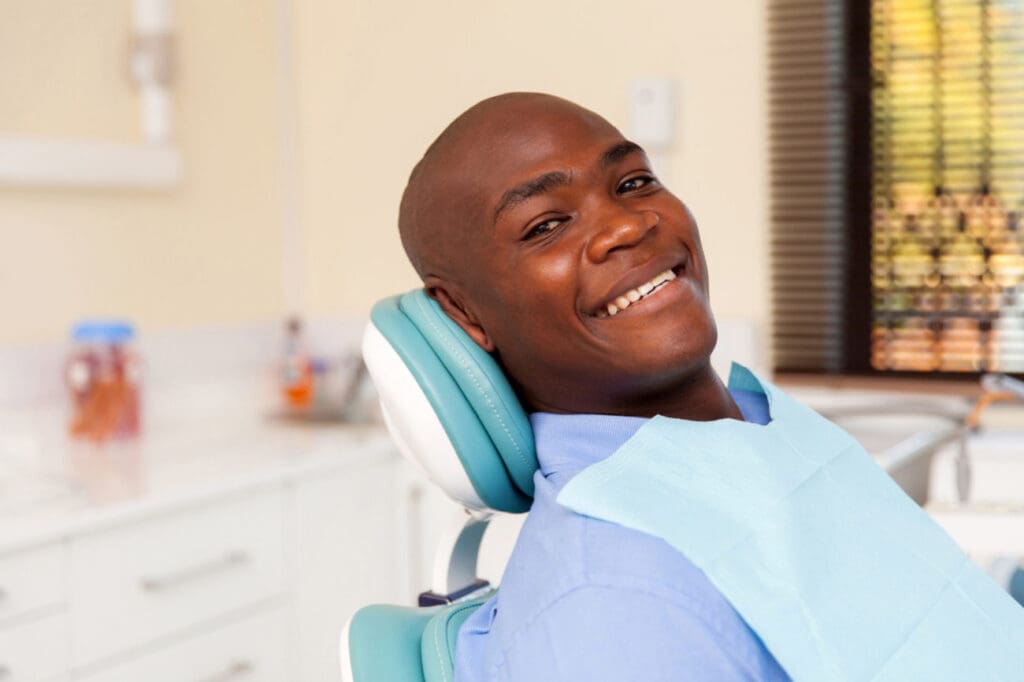
What Is Emergency Dentistry?
Emergency dentistry focuses on treating urgent dental problems that need attention now, not later. These issues can affect your ability to eat, speak, and sleep, and they can lead to bigger health problems if not treated quickly. Some emergencies are caused by accidents or sports injuries. Others begin as small problems that suddenly get worse, like a cavity that turns into an infection.
How do you know if it’s an emergency? If you’re in strong pain, have swelling, bleeding that won’t stop, a knocked‑out or broken tooth, or signs of infection (like fever or a bad taste with swelling), you need urgent care. If you’re unsure, call us. We’ll ask simple questions to help you decide the next best step.
If you have life‑threatening symptoms such as trouble breathing, heavy bleeding that won’t stop, or a jaw injury, call 911 or go to the nearest emergency room first. For dental issues that are urgent but not life‑threatening, a dentist is the best place to go.
Emergency Dentistry Treatments
The right treatment depends on what’s going on. Our goal is to ease pain fast, treat the cause, and protect your teeth and gums. Common emergency treatments include:
- Toothache relief and diagnosis: We examine the area, take digital X‑rays if needed, and relieve pain with gentle care. Many toothaches are caused by deep decay, a cracked tooth, or an infection.
- Fillings and temporary restorations: If decay is causing pain, we remove it and place a filling. If a permanent fix needs more time, we can place a protective temporary.
- Root canal therapy: If the nerve inside your tooth is infected or inflamed, a root canal can stop pain and save the tooth. This removes the infection from inside the tooth and seals it to prevent future problems.
- Dental crowns: A cracked or broken tooth may need a crown to restore strength and function. We may place a temporary crown the same day and a permanent crown later.
- Tooth extractions: If a tooth cannot be saved, a careful extraction can stop pain and prevent infection from spreading. We will discuss replacement options like implants or bridges.
- Reimplanting a knocked‑out tooth: Time matters. If you get to us quickly (ideally within 30–60 minutes) with a clean, moist tooth, we may be able to place it back in the socket and stabilize it.
- Treatment for infections and abscesses: We drain the infection when needed, clean the area, and may prescribe antibiotics. This reduces swelling and protects your overall health.
- Repairing chips, fractures, or lost fillings/crowns: Dental bonding, smoothing sharp edges, or re‑cementing a crown can protect your tooth and stop irritation.
- Soft tissue care: Cuts to the lips, gums, or cheeks may need cleaning and delicate sutures.
- Comfort and guidance: We use local anesthesia for pain control and provide home care instructions so you can heal comfortably.
What to do before you arrive can help, too. If a tooth is knocked out, pick it up by the crown (the white part), gently rinse it if dirty, and place it back in the socket if you can. If not, keep it moist in milk or saliva—do not let it dry out. For a cracked tooth, rinse your mouth, use a cold compress for swelling, and avoid chewing on that side. For a lost filling or crown, keep the area clean and avoid sticky foods.
What to Expect
When you contact us, we’ll triage your situation on the phone and work to see you as soon as possible. Here’s what a typical urgent visit looks like:
- Check‑in and brief history. We’ll review your symptoms, medical conditions, allergies, and any medications you take. This helps us choose safe, effective care.
- Exam and imaging. We examine the area and may take X‑rays to see inside teeth and below the gums. This confirms the cause of pain or swelling.
- Clear diagnosis. We explain what we found in simple terms and show you images when helpful. You’ll understand the problem and the options.
- Immediate relief. We focus first on easing pain and stopping any active infection or bleeding. This might include medication, cleaning the area, smoothing sharp edges, or starting definitive treatment.
- Treatment plan and costs. We outline next steps, timelines, and costs. We’ll review insurance benefits and payment options, and we’ll only move forward with your approval.
- Home care instructions. You’ll leave with easy steps for care at home, like how to keep the area clean, what to eat, and what to avoid.
- Follow‑up. Some emergencies are fully resolved in one visit. Others need a second visit to finish treatment, such as placing a final crown or completing root canal therapy. We schedule those before you leave.
Our office is designed to help you feel calm and cared for. We use gentle techniques, explain each step, and check in with you often. Your comfort and safety are always our top priorities.
The Benefits of Prompt Emergency Dentistry
Seeing a dentist quickly can make a big difference. Pain relief and peace of mind are achieved by quick care eases pain and worry. Early treatment can prevent cracks from getting worse and infections from destroying tooth structure, which helps you avoid extractions. Prompt care also stops the spread of infection. Treating infections right away protects your overall health, which is of utmost importance, as ental infections can spread to other areas if left untreated. Small problems can turn into bigger ones over time. Prompt care often means simpler treatments and lower costs.
How to Prepare for Dental Emergencies
A little planning helps. Keep our office number in your phone. Store a small dental kit at home with gauze, a cold compress, a small container with a lid, and over‑the‑counter pain relief that your physician says is safe for you. If you play sports, wear a custom mouthguard to protect your teeth. And don’t ignore small warning signs like sensitivity, a chipped tooth, or bleeding gums can become urgent if not treated.
When to Call Us
Reach out right away if you have:
- Severe toothache, swelling, or fever
- A knocked‑out, loose, or cracked tooth
- A lost filling, crown, or veneer causing pain or sharp edges
- Bleeding that doesn’t stop with gentle pressure
- Facial trauma or a cut in the mouth that may need stitches
If you’re unsure, call and describe your symptoms. We’ll help you decide the right next step and schedule the quickest available time.
Your Next Step
Dental pain and accidents can be stressful, but you are not alone. We provide calm, careful, and timely emergency dentistry to protect your health and your smile. Call us now at (610) 525-4910 for guidance and a same‑day appointment whenever possible. If you are experiencing life‑threatening symptoms, call 911 or go to the nearest emergency room.